Tanzania Safari BlogSafari planning guides for Tanzania, Kilimanjaro, and Zanzibar.
Practical articles for choosing the best safari season, understanding the Serengeti migration, preparing for Kilimanjaro, and ending your journey on Zanzibar's beaches.
Travel ArticlesLatest Tanzania safari guides
Use these guides to plan the right route, accommodation style, travel season, and pace for your Tanzania safari or Zanzibar holiday.

Safari PlanningBest Time to Visit Tanzania for Safari
Tanzania is a year-round safari destination, but each season creates a different experience. June to October is the classic dry season, with thinner vegetation, easier wildlife viewing, and excellent game drives in Serengeti, Tarangire, Ngorongoro, and Lake Manyara. January to March is ideal for the southern Serengeti and Ndutu calving season, when wildebeest give birth and predators follow the herds.
April and May bring green-season scenery, fewer visitors, and better value at selected lodges. Photographers often love this period because the landscapes are lush, dust is lower, and skies can be dramatic. If your priority is river crossings, plan for July to October in northern Serengeti, but remember crossings depend on herd movement and rainfall.
- Best dry-season safari: June to October
- Best calving safari: January to March
- Best value season: April, May, and November
- Best overall first safari: June to September
View Tanzania Safaris

Serengeti MigrationSerengeti Migration Safari Planning Guide
The Great Wildebeest Migration is not a single event in one place. It is a moving wildlife cycle across the Serengeti ecosystem, shaped by rain, grass, and instinct. From January to March, the herds gather around Ndutu and southern Serengeti for calving. April to June often brings movement through central and western Serengeti, including the Grumeti area.
From July to October, many travelers focus on northern Serengeti for Mara River crossings. These crossings are powerful but unpredictable, so the best migration safari is flexible and allows enough days in the right region. A private guide, well-chosen camp, and realistic expectations make the experience much stronger.
- Ndutu calving: January to March
- Central and western movement: April to June
- Northern Serengeti crossings: July to October
- Good migration planning needs the right camp location
Explore Migration Safaris

Safari TipsWhat to Pack for a Tanzania Safari
Packing well makes safari days more comfortable. Choose neutral-colored clothing, breathable layers, a warm fleece for early morning drives, and a light rain jacket if traveling in green season. Avoid bright colors and heavy perfume because safari is about blending into natural surroundings and staying comfortable through changing temperatures.
Bring binoculars, sunscreen, insect repellent, a wide-brim hat, sunglasses, camera batteries, a power bank, and any personal medication. Soft-sided luggage is better for safari vehicles and light aircraft. If your itinerary includes Zanzibar, add swimwear, sandals, reef-safe sunscreen, and relaxed evening clothes.
- Neutral clothing: khaki, olive, tan, grey
- Warm layer for early drives
- Binoculars and camera batteries
- Soft luggage for easier transport
Ask for a Packing List

Kilimanjaro TrekkingKilimanjaro Climbing Routes Explained
Choosing the right Kilimanjaro route affects your comfort, scenery, acclimatization, and summit chance. Machame is scenic and popular, with strong acclimatization over six or seven days. Lemosho is excellent for travelers who want a quieter start, beautiful scenery, and a gradual altitude profile. Marangu uses hut accommodation and is often called the Coca-Cola Route, but the shorter version can be challenging for acclimatization.
Rongai approaches from the north and can be drier in wet months. Northern Circuit is longer and offers one of the best acclimatization profiles, while Umbwe is steep and suited to experienced trekkers. For most climbers, more days means better adjustment to altitude and a more enjoyable climb.
- Best scenic route: Lemosho or Machame
- Best acclimatization: Northern Circuit
- Hut route: Marangu
- Quiet northern approach: Rongai
View Kilimanjaro Routes

Zanzibar HolidaysZanzibar After Safari: Where to Stay
Zanzibar is one of the best ways to finish a Tanzania safari. After early mornings and dusty game drives, the island gives you warm water, white beaches, spice history, and relaxed coastal rhythm. Nungwi and Kendwa are strong choices for swimming and sunsets, while Matemwe feels quieter and pairs well with diving around Mnemba Atoll.
Paje and Jambiani suit travelers who like breezy beaches, kite surfing, and a more relaxed village atmosphere. Stone Town is best for history, spice tours, rooftop dining, and a short cultural stay before or after the beach. The right area depends on tides, swimming preference, budget, and whether you want romance, family comfort, or activities.
- Best swimming: Nungwi and Kendwa
- Best quiet beach feel: Matemwe
- Best kite surfing: Paje
- Best culture: Stone Town
Plan Zanzibar
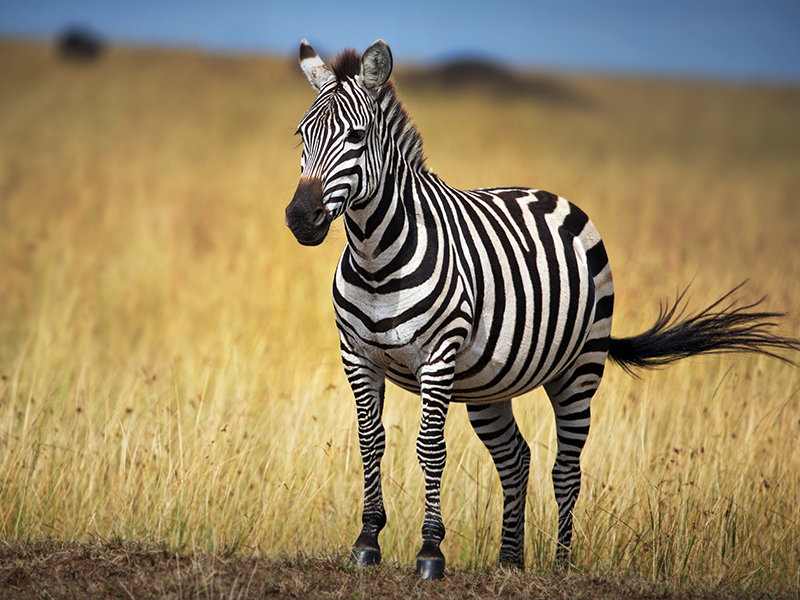
Family SafariHow to Plan a Family Safari in Tanzania
A family safari works best when the route is balanced, the drives are not too long, and accommodation is chosen carefully. Tarangire, Lake Manyara, Ngorongoro, and central Serengeti can create a rich family route with elephants, lions, zebras, giraffes, hippos, and beautiful scenery. Private vehicles are especially helpful because the day can move at your family's pace.
Choose lodges with family rooms, swimming pools, flexible meals, and safe grounds. For younger children, shorter drives and two-night stays reduce fatigue. Teenagers often enjoy photography, cultural visits, walking activities where age rules allow, and learning from a strong guide. Adding Zanzibar after safari gives everyone time to relax before flying home.
- Use a private vehicle for flexibility
- Choose family-friendly lodges
- Keep some two-night stays in the route
- Add Zanzibar for rest after safari
Plan a Family Safari
